


BCAAs & Aminos
16 products-
GNC Amp Gold Series BCAA Advanced
 Tangy Orange | 30 Servings₹66.6/serving₹1,999₹2,69926% OFF🚚 Get it by Wed, Nov 11
-
Americanz Muscles EAA+ Nootropics 8:1:1 – 300g
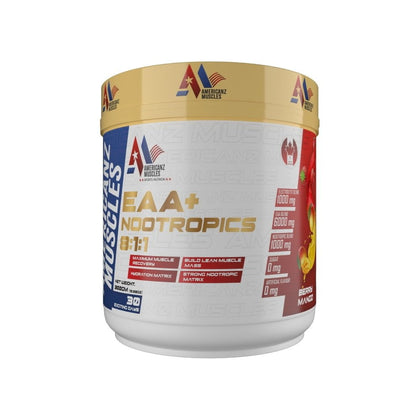 Berry Mango | 30 Servings₹73.3/serving₹2,199₹3,99945% OFF🚚 Get it by Wed, Nov 11
-
Optimum Nutrition (ON) Amino Energy
 Fruit Fusion | 30 Servings₹70/serving₹2,099₹2,42914% OFF🚚 Get it by Wed, Nov 11
-
Gaspari Nutrition Proven EAAs
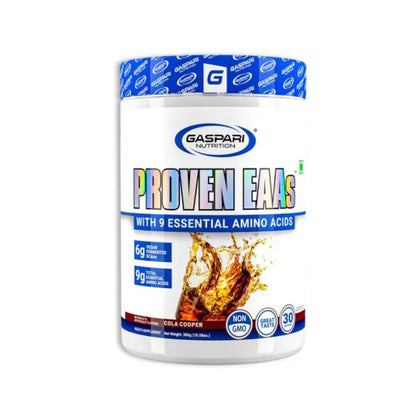 Mayhem Mango | 30 Servings₹44.8/serving₹1,345₹2,39944% OFF🚚 Get it by Wed, Nov 11
-
MuscleTech EAA+Energy
 Sour Apple | 30 Servings₹50/serving₹1,599₹2,99947% OFF🚚 Get it by Wed, Nov 11
-
BioTechUSA BCAA Zero | Amino Acid Drink Powder | 6g BCAA (2:1:1) per Serving | Sugar Free | 360g
 Orange | 45 Servings₹51.1/serving₹2,299₹3,39932% OFF🚚 Get it by Wed, Nov 11
-
XTEND Original BCAA Powder
 Italian Blood Orange | 30 Servings₹60/serving₹1,799₹3,19944% OFF🚚 Get it by Wed, Nov 11
-
Dexter Jackson Black Series Turbo BCAA
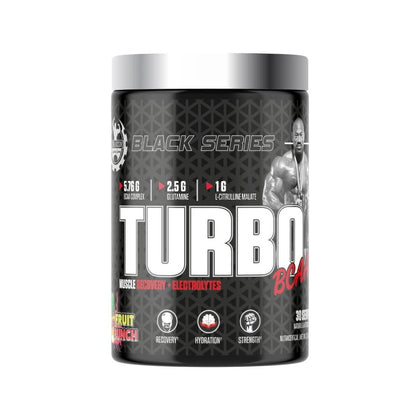 Fruit Punch | 30 Servings₹66.6/serving₹1,999₹2,89931% OFF🚚 Get it by Wed, Nov 11
-
Optimum Nutrition BCAA 5000 Powder
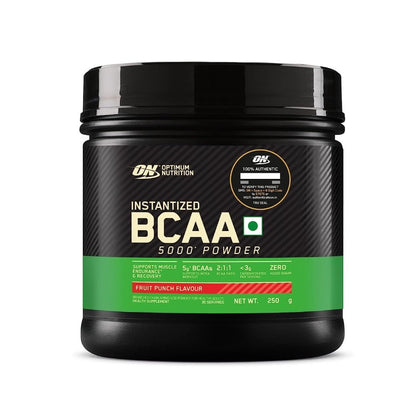 Fruit Punch | 30 Servings₹35/serving₹1,049₹1,39925% OFF🚚 Get it by Wed, Nov 11
-
Apex Vitals Path 2 Recovery - 45 Servings
 Naturally Sweet | 3 Lbs₹206/100g₹2,499₹3,50029% OFF🚚 Get it by Wed, Nov 11
-
International Protein Complete Aminos (EAA + BCAA)
 Orange | 300 g₹600/100g₹1,799₹2,99940% OFF🚚 Get it by Wed, Nov 11
-
Gaspari Nutrition Hyper Amino
 Bloody Orange | 300 g₹466/100g₹1,399₹2,39942% OFF🚚 Get it by Wed, Nov 11
-
Dexter Jackson Black Series Amino Power Liquid – 66 Servings
 ₹220/100ml₹2,199₹3,44936% OFF🚚 Get it by Wed, Nov 11
-
BritPro EAA + BCAA 2:1:1 | 9 Essential Amino Acids | Orange Popsicle | 6.1g EAA, 3g BCAA per Serving | 40 Servings
 Orange | 400 g₹625/100g₹2,499₹4,59946% OFF🚚 Get it by Wed, Nov 11
-
Apex Vitals Amino 9 EAA Supplement | 30 Servings | Fermented & Plant-Derived Formula
 Mojito Flavour | 225g₹888/100g₹1,999₹3,24938% OFF🚚 Get it by Wed, Nov 11
-
International Protein BCAA 2:one:1
 Honeydew Melon | 27 Servings₹44.4/serving₹1,799₹3,29945% OFF🚚 Get it by Wed, Nov 11


About BCAAs & Aminos
Who should use Aminos and BCAAs
People who include Insufficient protein-rich foods in their diets most likely need to take Aminos & BCAA supplements.
Usage/Dosage
The best time to consume BCAA supplements or BCAA powder is around the time of your workout. You can mix 5-10g with your pre-workout drink or any beverage of your choice. It is also a good idea to mix your BCAA supplement with any post-workout meal or drink, such as Whey Protein. BCAAs may also be consumed in between your meals when you know that there is going to be a large gap between them. This prevents any chances of catabolic muscle loss, which may hinder your progress.
Safety, Precautions, and Side Effects
Taking BCAA supplements is generally safe and without side effects for most people.
Studies on the safe upper intake levels of BCAAs are rare, but studies report that total BCAA intakes between 15–35 grams per day seem generally safe.
However, BCAA supplements are not recommended for those suffering from ALS, also known as Lou Gehrig’s disease.
In addition, individuals with a rare congenital disorder called maple syrup urine disease should limit their intake of BCAAs because their bodies cannot break them down properly.
FAQ's
1. What is BCAAs Powder, and what do they do?
Leucine, isoleucine, and valine are the three necessary amino acids that make up the supplement known as BCAAs (Branched-Chain Amino Acids) powder. They promote muscular growth, lessen workout fatigue, and help in muscle repair.
For most people, BCAA supplements are safe. However, taking very high doses might cause digestive issues or, in rare cases, affect kidney function. It’s best to follow recommended doses.
The most common BCAA ratio is 2:1:1, which means 2 parts leucine to 1 part each of isoleucine and valine. This ratio is believed to be effective for muscle protein synthesis.