


-
Americanz Muscles Professional L-Carnitine 3500 mg
 Tropical Mango | 30 Servings₹60/serving₹1,799₹3,19944% OFF🚚 Get it by Mon, Nov 9
-
V-SHAPE Mr. X L-Carntine 3500 mg - 450 ml
 Mandarin Orange | 450 ml₹400/100ml₹1,799₹2,44927% OFF🚚 Get it by Mon, Nov 9
-
Ronnie Coleman L-Carnitine XS 4000 Liquid
 Orange Creamsicle | 465 ml₹494/100ml₹2,299₹3,49934% OFF🚚 Get it by Mon, Nov 9
-
Muscle Club L-Carnitine 3000 mg Liquid
 Green Apple | 450 ml₹233/100ml₹1,049₹1,69938% OFF🚚 Get it by Mon, Nov 9
-
Dexter Jackson L-Carnitine Liquid - 3500 mg |31 Servings
 Green Apple | 473.28 ml₹380/100ml₹1,799₹2,45027% OFF🚚 Get it by Mon, Nov 9
-
International Protein L-Carnitine Liquid 3200mg
 Green Mango | 450 ml₹355/100ml₹1,599₹2,39933% OFF🚚 Get it by Mon, Nov 9
-
Gaspari Nutrition Liquid Carnitine 3200mg
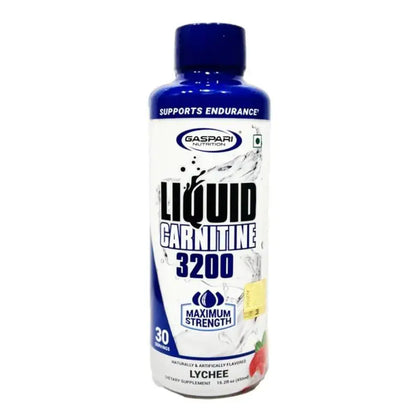 Blue Raspberry | 30 Servings₹40/serving₹1,199₹1,99940% OFF🚚 Get it by Mon, Nov 9
-
One Science Essential Series Liquid Carnitine 3000mg
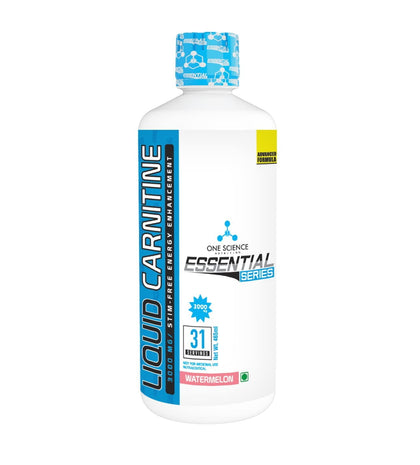 Watermelon | 31 Servings₹48.4/serving₹1,499₹2,99950% OFF🚚 Get it by Mon, Nov 9
-
Bigmuscles Nutrition L-Carnicut Liquid
 Blue Raspberry Ice | 30 Servings (1500mg)₹28.1/serving₹843₹1,02918% OFF🚚 Get it by Mon, Nov 9
-
Ronnie Coleman L-Carnitine XS 3000 473 ml
 Sour Apple | 31 Servings₹56.1/serving₹1,739₹3,29947% OFF🚚 Get it by Mon, Nov 9
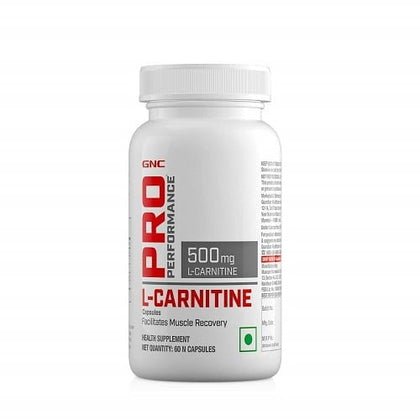


About L-Carnitine
Different Types of L-Carnitine
L-carnitine is the standard biologically active form of carnitine, which is found in your body, foods, and most supplements. Here are several other types of carnitine:
- D-carnitine: This inactive form may cause a carnitine deficiency in your body by inhibiting the absorption of other, more useful forms
- L-carnitine L-tartrate: This is commonly added to sports supplements due to its rapid absorption rate. It may aid muscle soreness and recovery in exercise.
Side Effects
L-carnitine is LIKELY SAFE when taken for up to 12 months. It can cause side effects such as nausea, vomiting, stomach upset, heartburn, diarrhea, and seizures. It can also cause the urine, breath, and sweat to have a "fishy" odor. Avoid using D-carnitine and DL-carnitine. These forms of carnitine might block the effects of L-carnitine and cause symptoms that resemble L-carnitine deficiency.
Does It Aid Weight Loss?
Using L-carnitine as a weight loss supplement makes sense.
Since L-carnitine helps move more fatty acids into your cells to be burned for energy, you might think this would increase your ability to burn fat and lose weight.
More research is needed to confirm the benefits of L-carnitine in a younger, more active population.
While it may aid in weight loss for obese individuals or older adults, a thorough diet and exercise regimen must be in place first.
Suggested Use
Although the recommended dose varies, around 500–2,000 mg (0.5–2 grams) seems to be both safe and effective.
FAQ's
L- carnitine helps the body convert fat into energy. It may ameliorate exercise recovery, enhance muscle oxygen force, boost stamina, reduce muscle soreness, and support red blood cell products.
3. How important is L-carnitine? Should I take it daily?
A safe and effective lozenge ranges between 500 – 2,000 mg( 0.5 – 2 grams) per day. Consult a healthcare professional before use, especially if you have any beginning health conditions.